
The Complete VRML to STL Conversion Guide
General Information
This guide is part of the RapidPipeline 3D Formats Knowledge Database.It shows how to convert VRML to STL, if you'd like to know more about the formats, please check out the following links:
Converting and Optimizing VRML Files to STL
There are various ways to convert between VRML and STL. With RapidPipeline, you can easily convert and optimize VRML files, at scale. It supports STL, as well as many other file formats (examples: PLY, OBJ, VRM, FBX, glTF, USDZ, USD), at high quality.
The fastest way to convert a VRML file to STL is RapidPipeline Twin Studio, the desktop app (free trial available): open your VRML file, pick STL as output, export. If you need to process whole libraries, the RapidPipeline 3D Processor CLI runs the same engine as a batch tool that you can integrate into your own pipeline.
Convert VRML to STL with RapidPipeline Twin Studio - Free Trial
Download RapidPipeline Twin Studio, open your VRML file and export it as STL - optimized and ready to use in a few clicks. No credit card required.
⬇ Download Twin Studio & convert VRML to STLWhat are VRML and STL files commonly used for?
The VRML file is a format mostly used for web-based 3D content and virtual reality.
The STL file is a format mostly used for 3D printing.
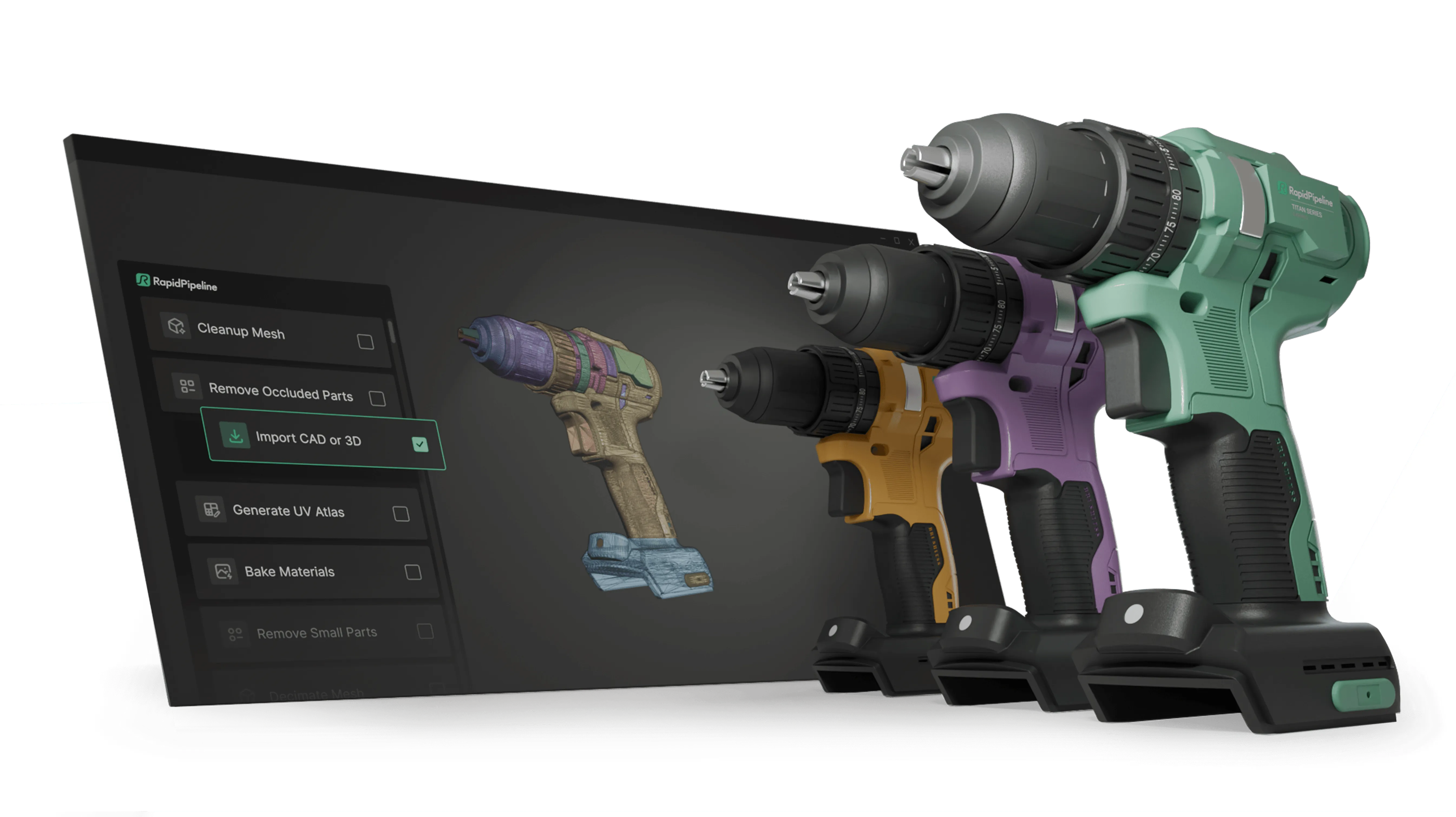
Create 3D digital twins for CGI & XR, faster than ever.
Turn your raw 3D or CAD into realistic digital twins.

Comparison of Features Supported by VRML and STL
| Feature | Supported by VRML | Supported by STL |
|---|---|---|
| PBR Materials | No | No |
| Transparent Materials | Yes | No |
| Vertex Colors | Yes | No |
| Materials | Yes | No |
| Embedded Textures | No | No |
| Normal Mapping | No | No |
| Procedural Textures | Partial0 | No |
| Texture Compression | No | No |
| Texture Transforms | Yes | No |
| Multiple UV Channels | Partial1 | No |
| Texturing | Yes | No |
| Hierarchical Scene Graph | Yes | No |
| Scene Composition | Yes | No |
| Scene Nodes | Yes | No |
| Quad Meshes | Yes2 | No |
| Free-Form Surfaces | Partial3 | No |
| Geometry Compression | Partial4 | No |
| Basic 3D Geometry | Yes | Yes |
| Standardized Format | Yes | Yes |
| Morph Targets | Partial5 | No |
| Skinned Animations | No | No |
| Rigid Animations | Yes | No |
| Animations | Yes | No |
Create 3D digital twins for CGI & XR, faster than ever.
Turn your raw 3D or CAD into realistic digital twins.
Limitations of VRML Files to STL Conversion Workflow
The following limitations should be taken into account when converting VRML files to STL format:
| VRML Feature (not supported by STL) | Limitation Details |
|---|---|
| Free-Form Surfaces | Free-Form Surfaces Support: VRML: Partial support | STL: No support 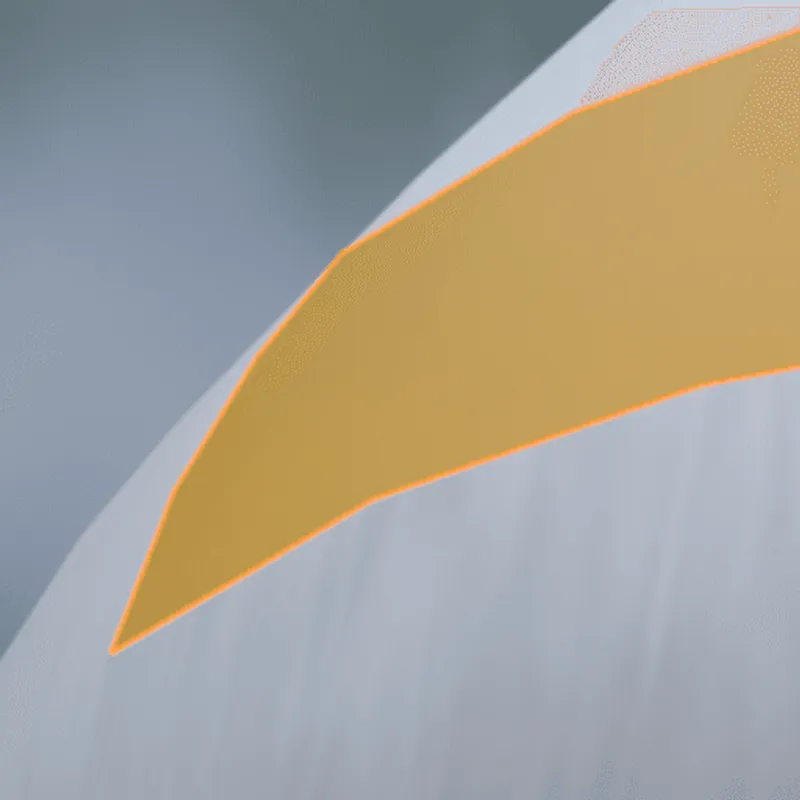 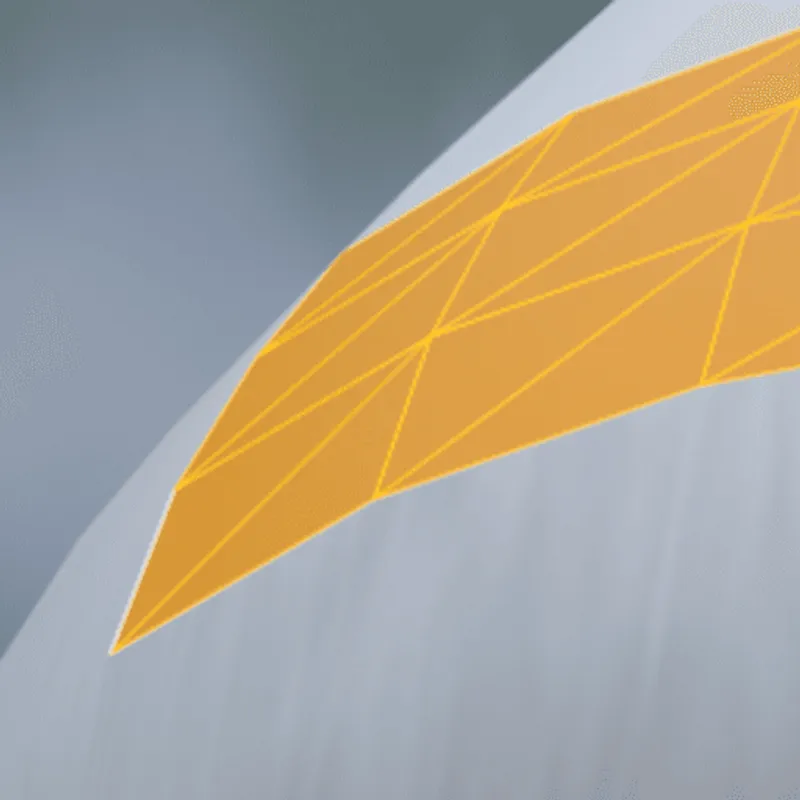 VRML Notes: Limited NURBS support in VRML 2.0 Impact: Free-form surfaces allow a CAD user to design surfaces with advanced controls over curvature and continuitiy. While these surfaces are common for CAD models (in the form of so-called boundary representations or "B-reps"), they need to be converted to polygonal triangle or quad data to work with most 3D rendering engines - a process called tessellation. In this example, a surface patch is used to describe a part of a curved surface of a product. Without support for this feature, the free-form surface has to be tessellated into quads or triangles. |
| Geometry Compression | Geometry Compression Support: VRML: Partial support | STL: No support   VRML Notes: VRML files can be compressed at the file level using gzip (.wrz extension). Geometry-level compression is not part of the VRML97 core standard, but prototype-based extensions exist — notably Taubin's GC node, a geometry compression scheme proposed specifically for VRML. Impact: Geometry compression describes the process of compressing the representations of a 3D model's geometry, usually a triangle mesh. 3D geometry compression does not change the topology of a 3D model, but just changes the way that a 3D model and its 3D positions and related vertex data is stored. Geometry compression can be lossy (just like JPEG compression in image processing can be lossy, for example), in which case one might notice slight artifacts like variations in 3D vertex positions (compared to the uncompressed 3D model). However, such differences are often not noticeable. There are only very few standards for geometry compression, like glTF's support of Draco compression and similar extensions. |
| Quad Meshes | Quad Meshes Support: VRML: Full support | STL: No support 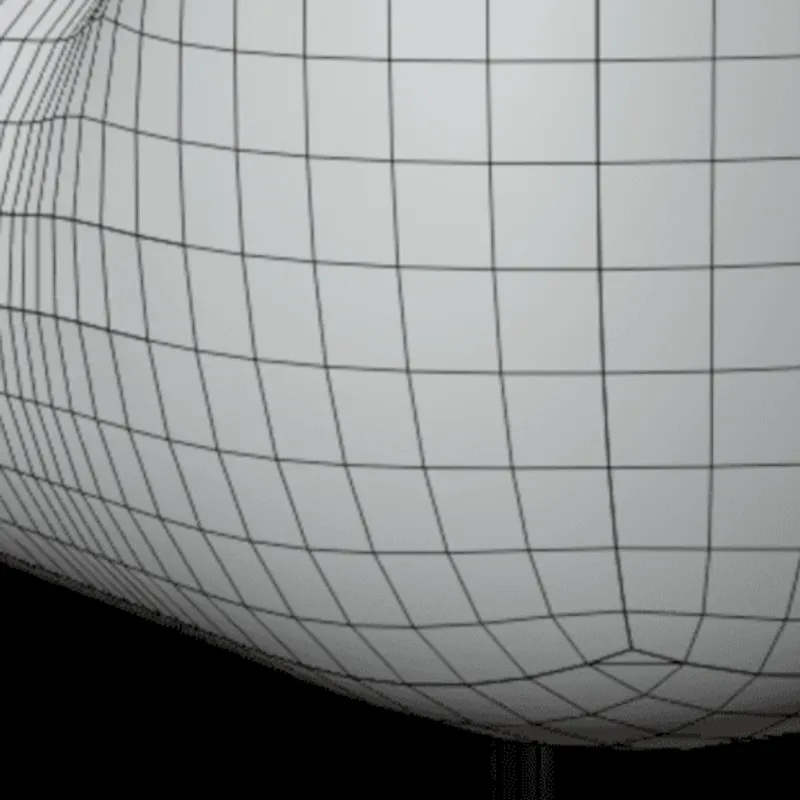 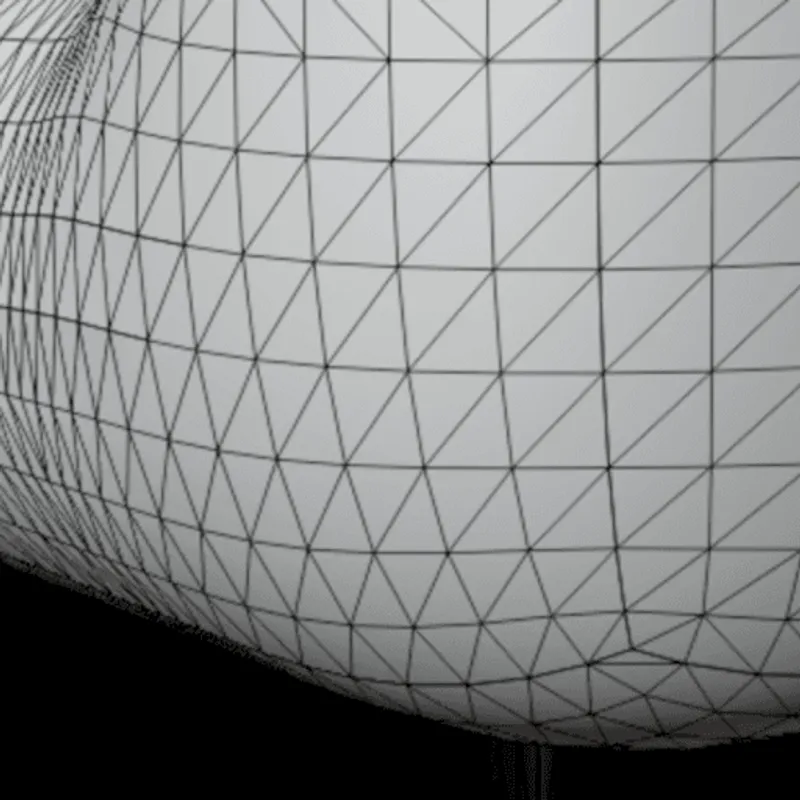 VRML Notes: VRML's IndexedFaceSet supports faces with any number of vertices (minimum three), providing full support for arbitrary polygons including quads and n-gons. Impact: Quad meshes are a common way to hand-model and edit 3D models. 3D artists get intuitive control and such meshes are also easy to refine, as well as well-suited for creation of skinned animations. However, real-time rendering pipelines and hardware are usually all based on triangles, so if a 3D model should not be edited any more, it is safe to convert quads to triangles (and engines will do this automatically before sending data to the rendering hardware). In this example, a part of a mesh is modeled with quads. Without support for this feature, quads will have to be triangulated, producing a pure triangle mesh. |
| Texturing | Texturing Support: VRML: Full support | STL: No support 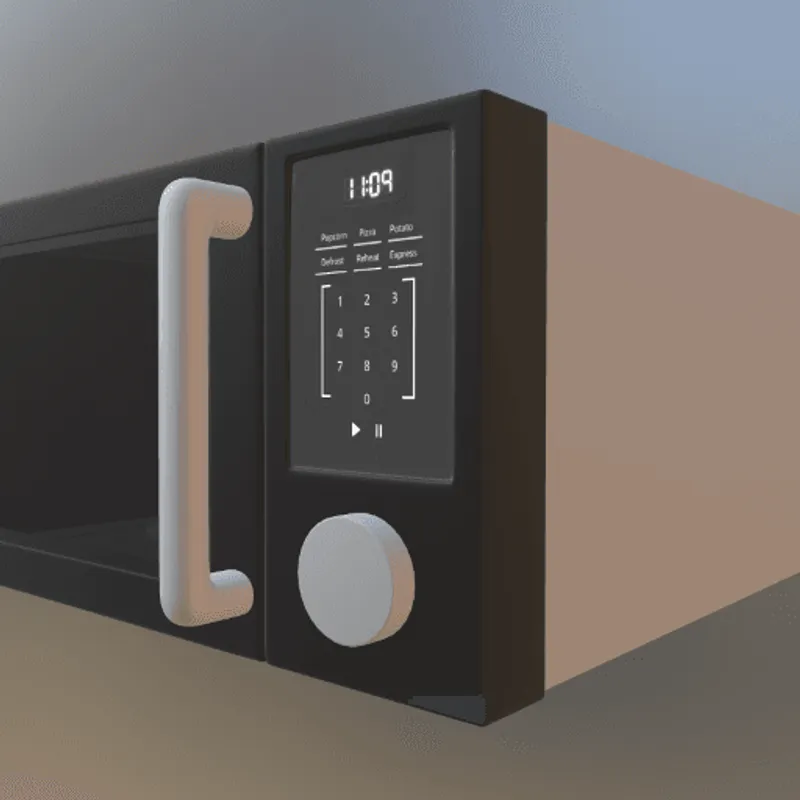 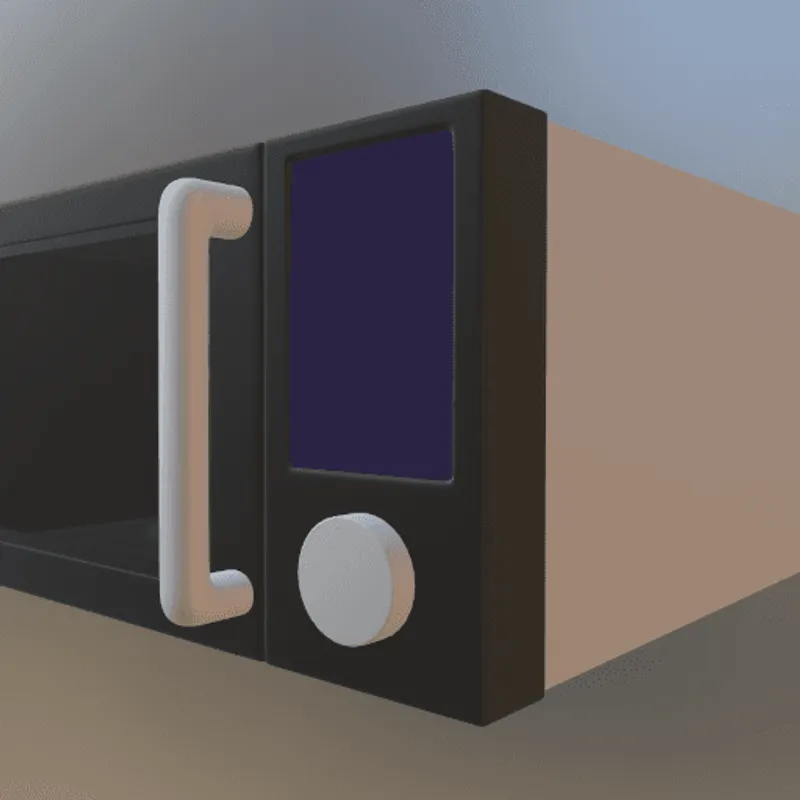 Impact: Texturing describes the process or refining the visual appearance of a 3D model's surface through additional 2D or 3D data, defined in a different reference system. The by far most common use of texturing are 2D texture images, applied to model visual material properties the 3D surface. Other cases include the use of procedural 2D or 3D funtions that produce intensity or color signals, which are then mapped to the 3D surface. For the vast majority of these cases (all of them except for 3D procedural functions), a parameterization or "Texture Mapping" is needed, which maps the 2D content to the 3D surface. Coming from a 2D coordinate space with coordinate axes often entitled U and V (in contrast to XYZ, which are the 3D surface positions), this process of mapping is also called UV Mapping, and it can be done with a dedicated UV map, or through a live mapping (e.g., box mapping). In this example, a texture image is applied to the 3D model to give the control panel a realistic look. Without support for texturing, the panel would have to use a single material instead, or all controls (including text) would need to be modeled through 3D geometry, instead of a 2D texture image. |
| Texture Transforms | Texture Transforms Support: VRML: Full support | STL: No support 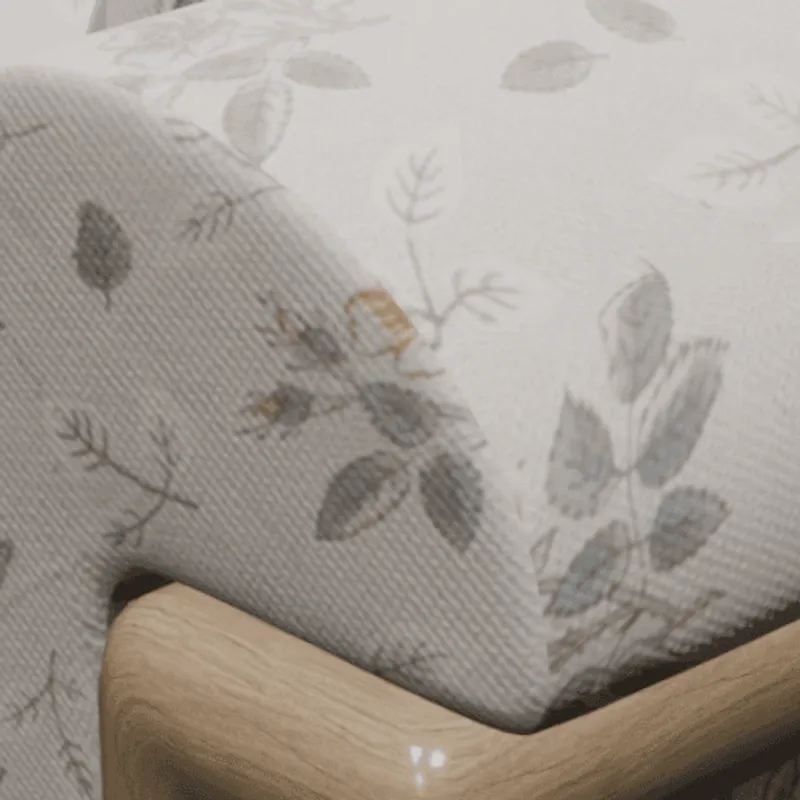 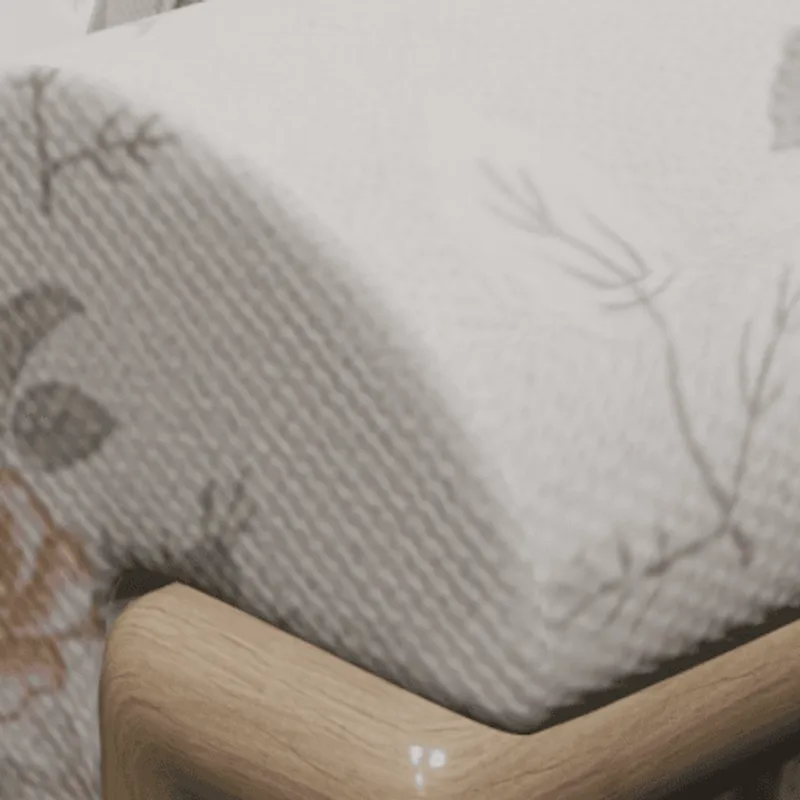 Impact: Texture transforms describe transformation operations that are applied to 2D texture images or UV coordinates when using 2D texture data on a 3D surface. They can be used, for example, to make sure that material patterns are using real-world scale when rendered on the 3D surface. In this example, such a pattern is used and scaled with the help of a texture transform. Without support for this feature, the texture pattern shows up at the wrong scale. |
| Multiple UV Channels | Multiple UV Channels Support: VRML: Partial support | STL: No support 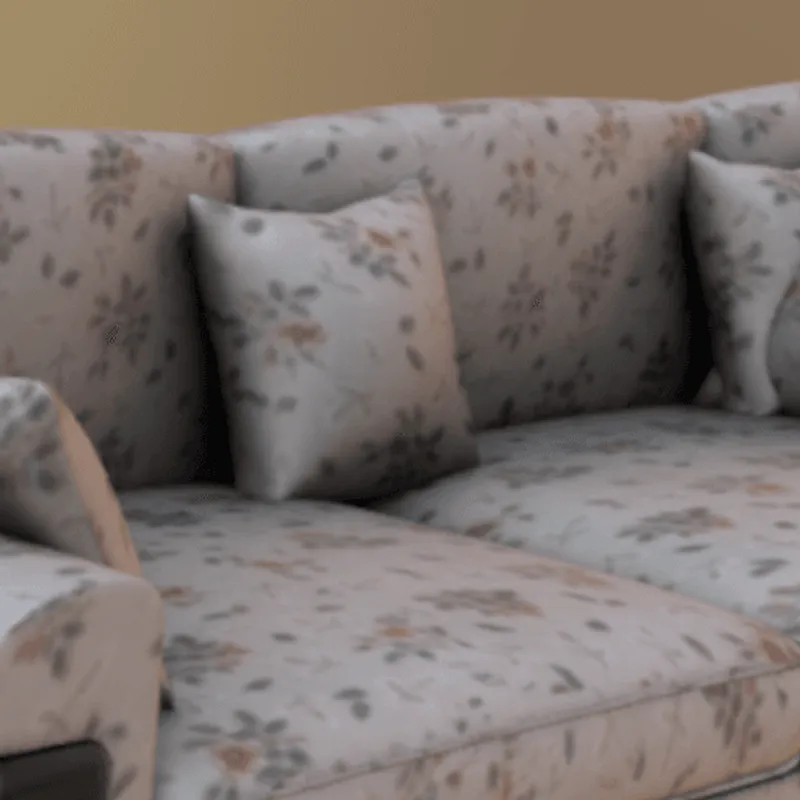 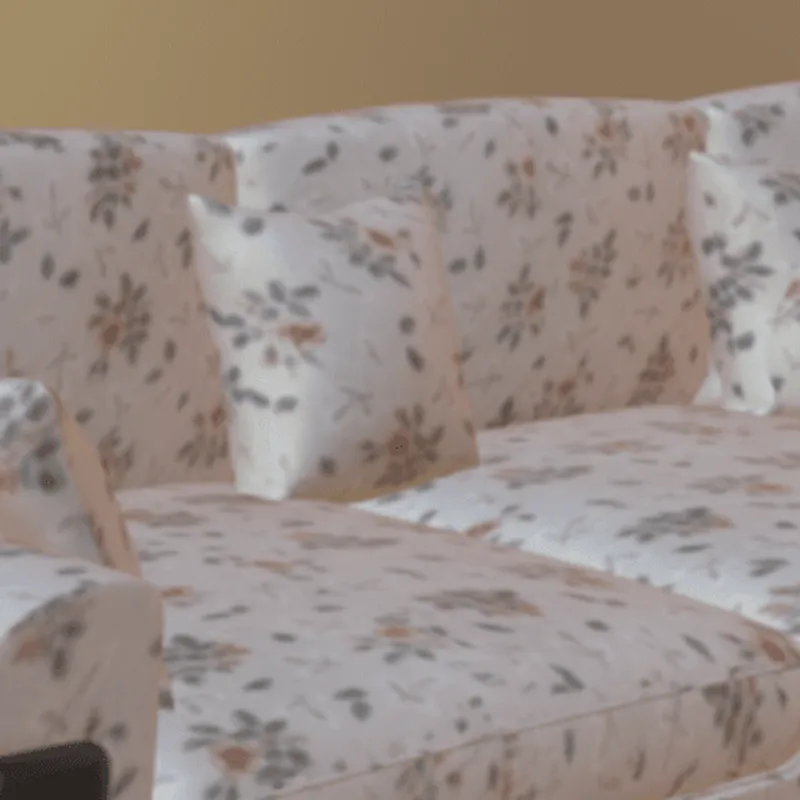 VRML Notes: Basic multi-texturing capabilities Impact: Multiple UV channels allow the optimized and sophisticated use of various 3D modeling features at once. For example, one can use one set of UVs and 2D texture data to model a tiling texture or procedural material, and another UV set to leverage a global lightmap or occlusion map of the 3D model. In this example, a combination of tiled texture (UV channel 1) and baked ambient occlusion map (UV channel 2) is used. Without support for this feature, one needs to either give up the tiling property (e.g., by using a tool like RapidPipline to bake a single texture atlas), or give up the ambient occlusion map, as only one UV channel will be usable. |
| Procedural Textures | Procedural Textures Support: VRML: Partial support | STL: No support 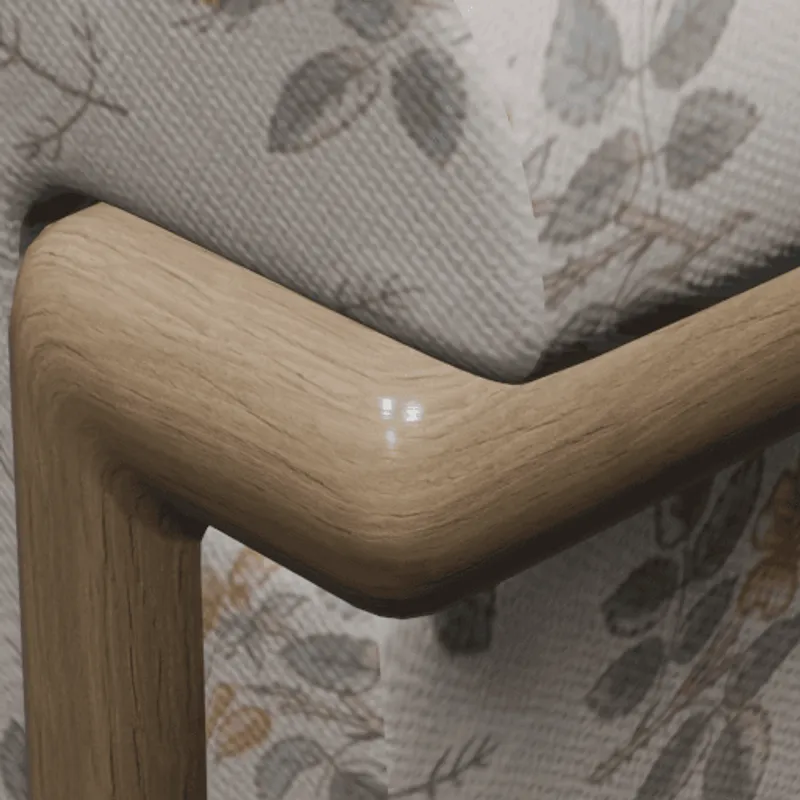 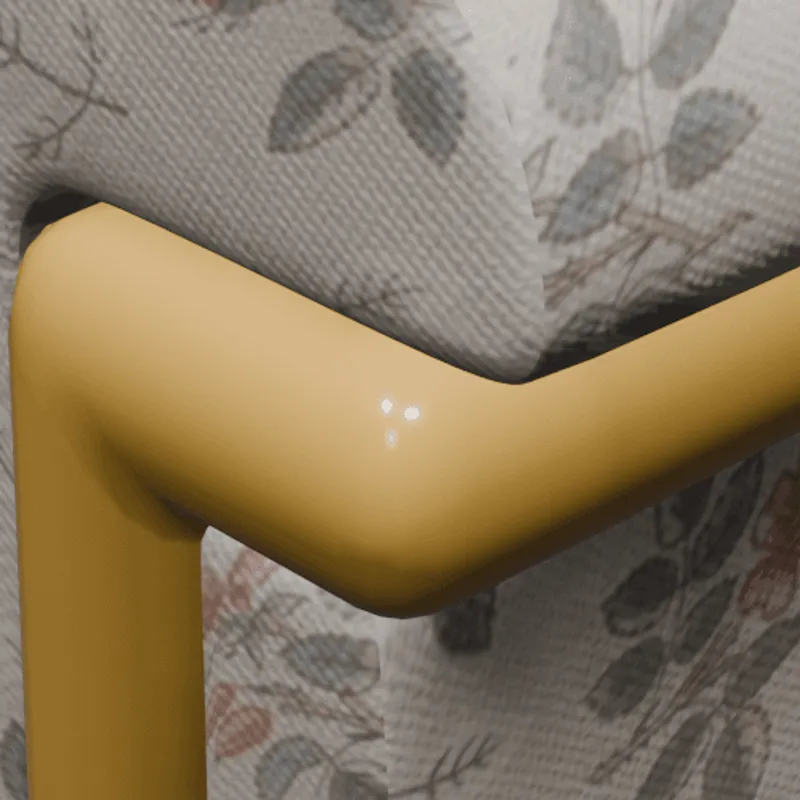 VRML Notes: Simple procedural texture generation Impact: Procedural texture allow the modeling of surface details through mathematical functions, along with artistic control over various parameters. Typically, they are used for patterns like wood grain or other semi-regular structures. Since they are not using any pixels as source data, procedural textures have, in principle, infinite resolution and are very lightweight to describe. In this example, a procedural texture is used to model the look of a wooden material. Without support for this feature, in this case, the wooden parts won't show any visible details. |
| Materials | Materials Support: VRML: Full support | STL: No support  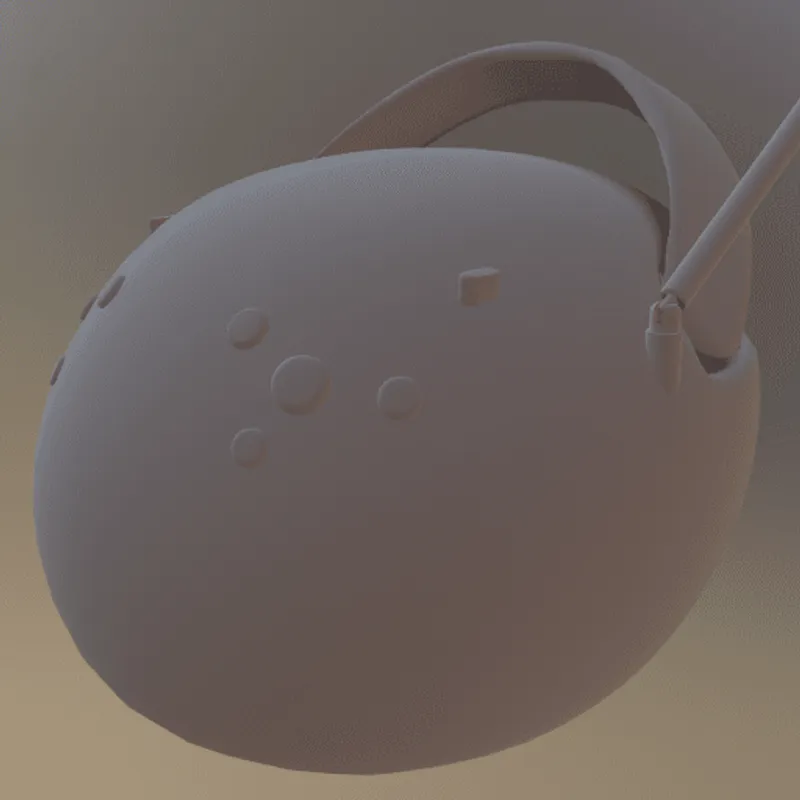 Impact: Materials are a fundamental concept in 3D modeling, enabling colored and - in many cases - photorealistic rendering of the 3D model that they are applied to. There are also some formats that don't make use of 3D materials, for example because they need to solely describe a shape (e.g., for many cases in additive manufacturing). In this example, photorealistic PBR materials are used to equip the 3D model with a realistic look. Without support for materials, the model will have to be rendered with a default material (often a default shade of gray). |
| Transparent Materials | Transparent Materials Support: VRML: Full support | STL: No support 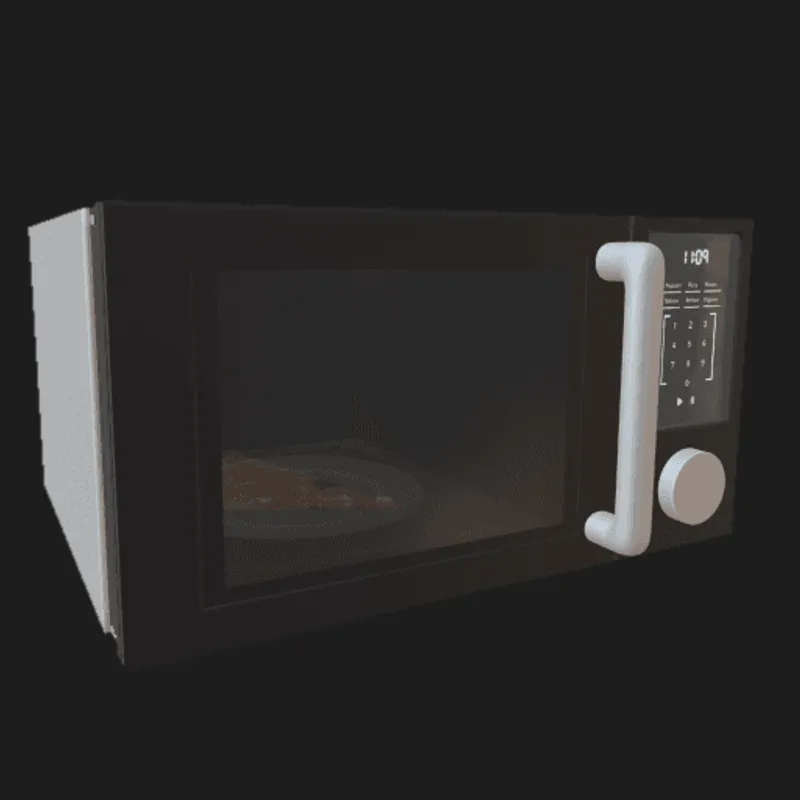 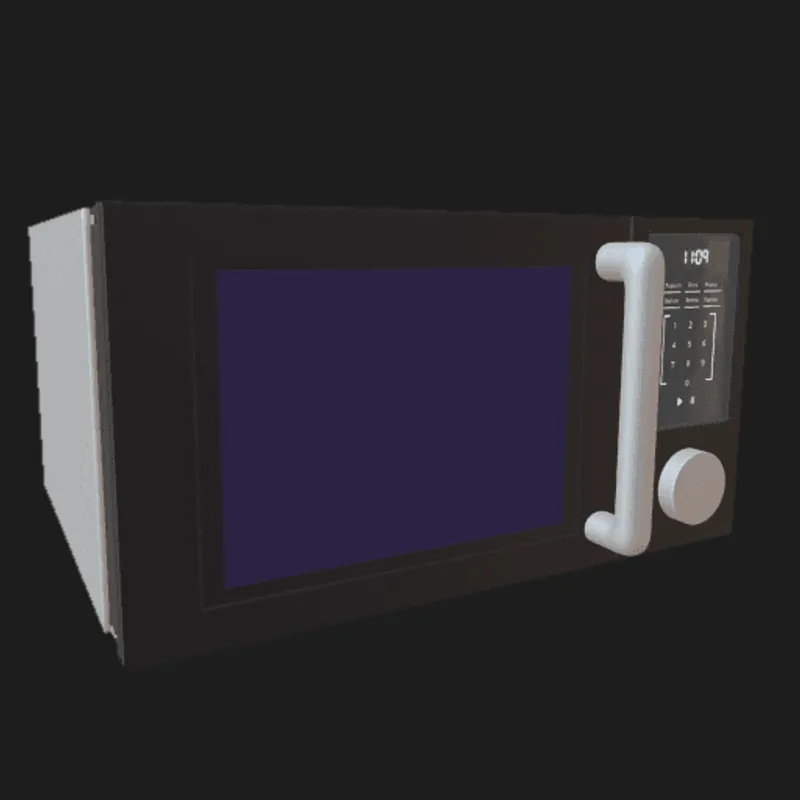 Impact: Transparency is commonly used for see-through objects, containing (usually partially) transparent surfaces. In this example, a transparent material is used to model the glass window of the microwave, so that one can see inside. Without support for this feature, the inside of the microwave cannot be seen, as the window will be rendered as an opaque surface. |
| Vertex Colors | Vertex Colors Support: VRML: Full support | STL: No support 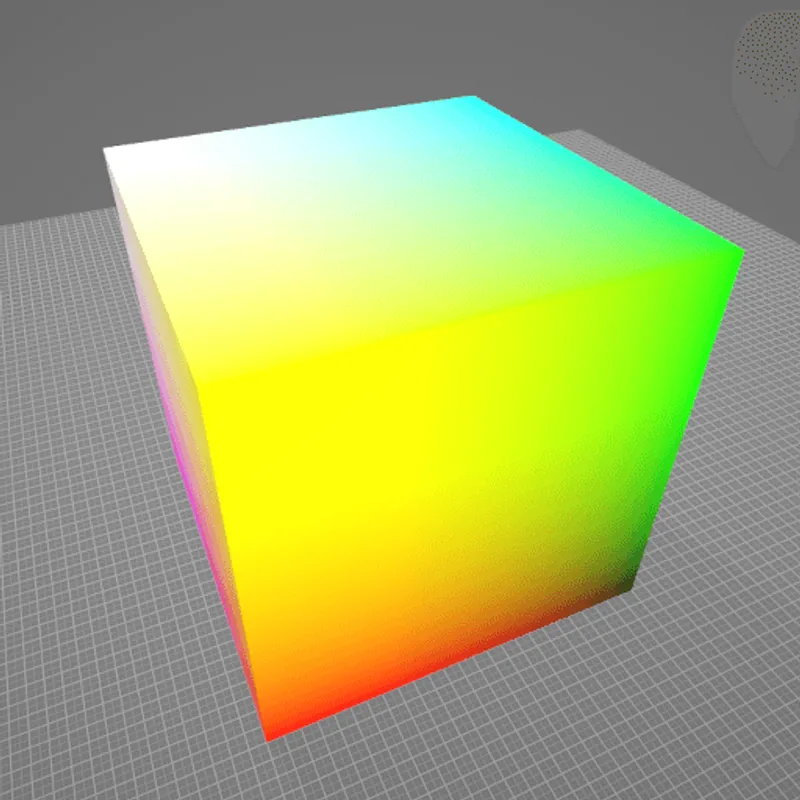 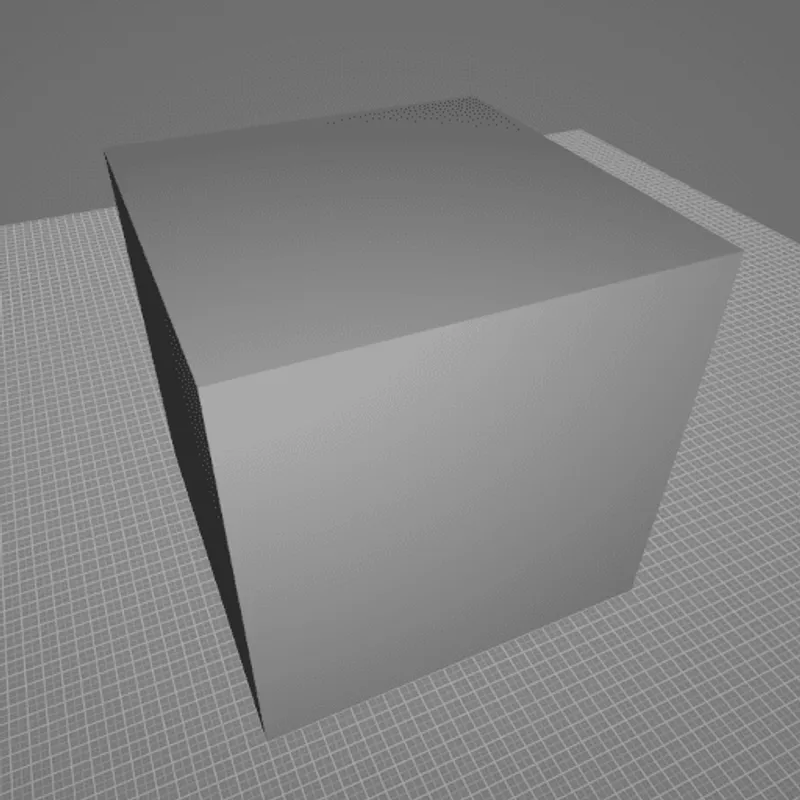 Impact: Vertex colors allow the attachment of colors to each vertex of a 3D model. This can be useful in scenarios such as scientific visualization, or when converting/meshing data from a colored 3D point cloud, for example. On the polygonal surface connecting the vertices, the respective vertex colors are usually smoothly interpolated. In this example, different colors are attached to the different corners of a cube. Without support for this feature, the cube won't have any colors. |
| Animations | Animations Support: VRML: Full support | STL: No support 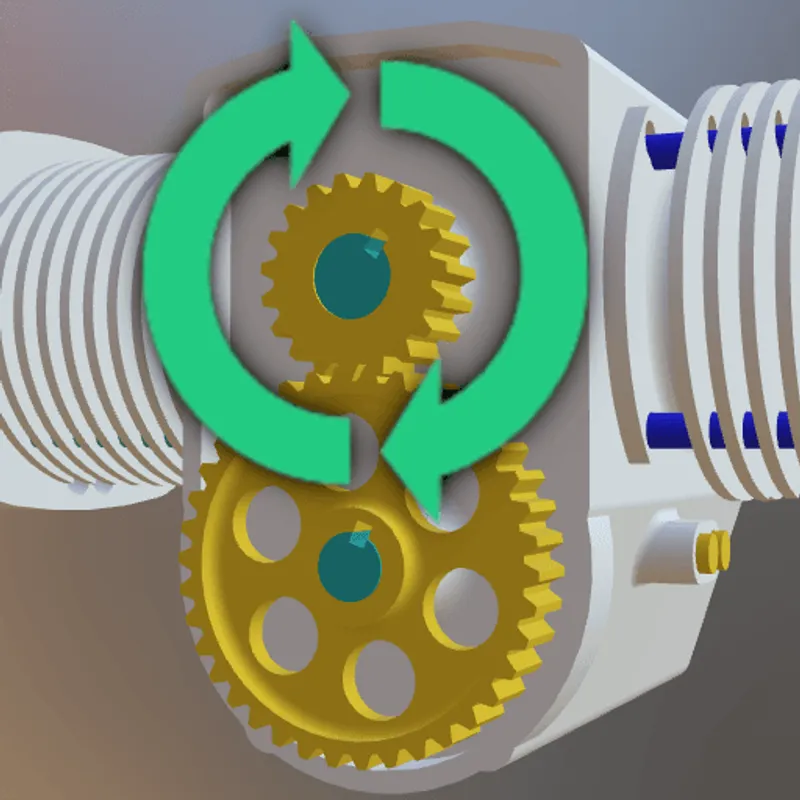 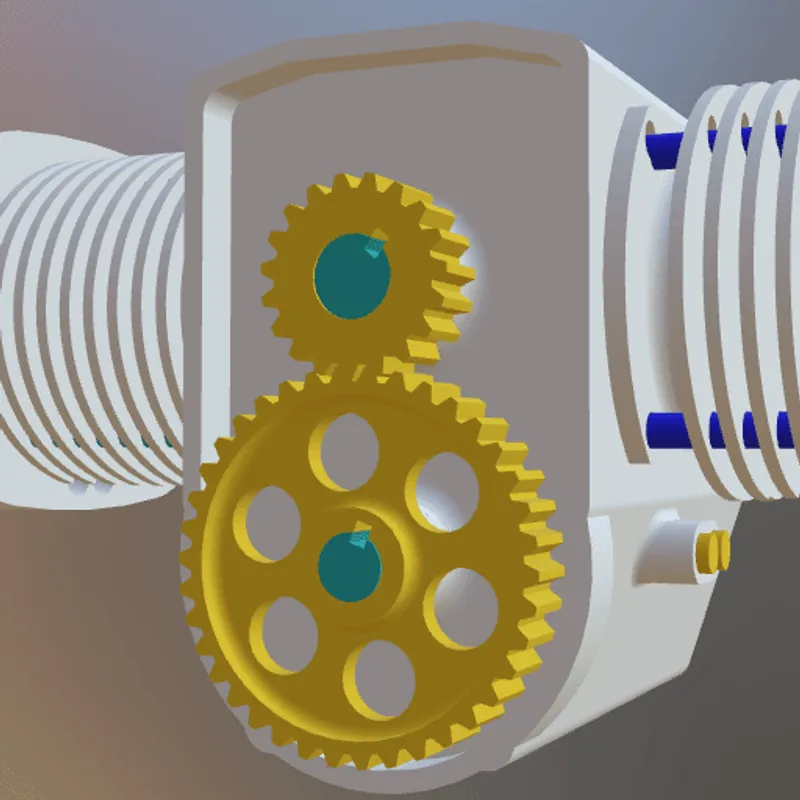 Impact: Animations are an important part of many interactive 3D assets, for example in real-time rendering (including games, XR training, assembly instructions, product demos, and other use cases). There are various kinds of animations that can be used on 3D models. In this example model, a rigid animation is used to make the gears spin. Without support for this feature, in this example, the gears won't move. |
| Morph Targets | Morph Targets Support: VRML: Partial support | STL: No support 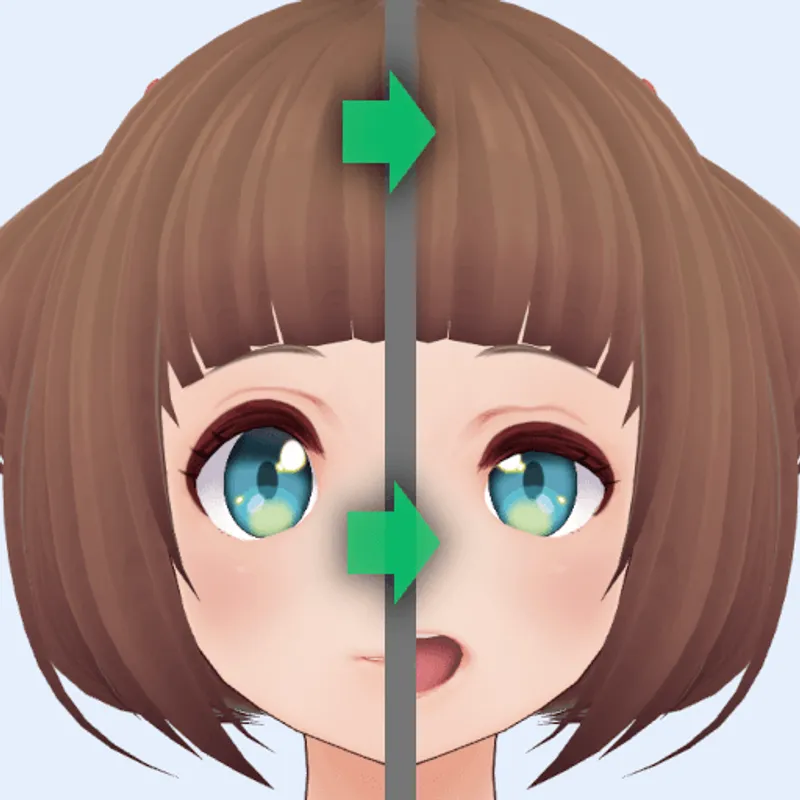  VRML Notes: Basic shape interpolation through coordinate interpolation Impact: Morph Targets, or "Blend Shapes", are commonly used to animate facial expressions and soft surfaces, for example cloth under a cloth simulation. They model various states of the animations with different vertex positions. In contrast to skinned animations, morph targets do not use any virtual bones, but work solely on the vertex data. In this example, a facial animation is achieved through morph targets. Without suport for this feature, in this example, the face will not show the animation. |
| Rigid Animations | Rigid Animations Support: VRML: Full support | STL: No support 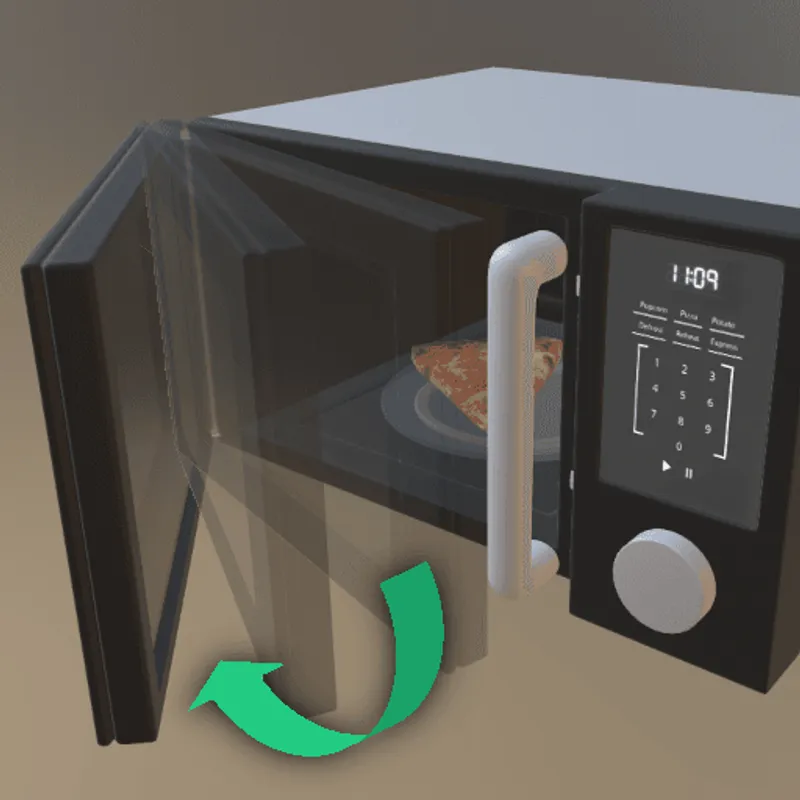 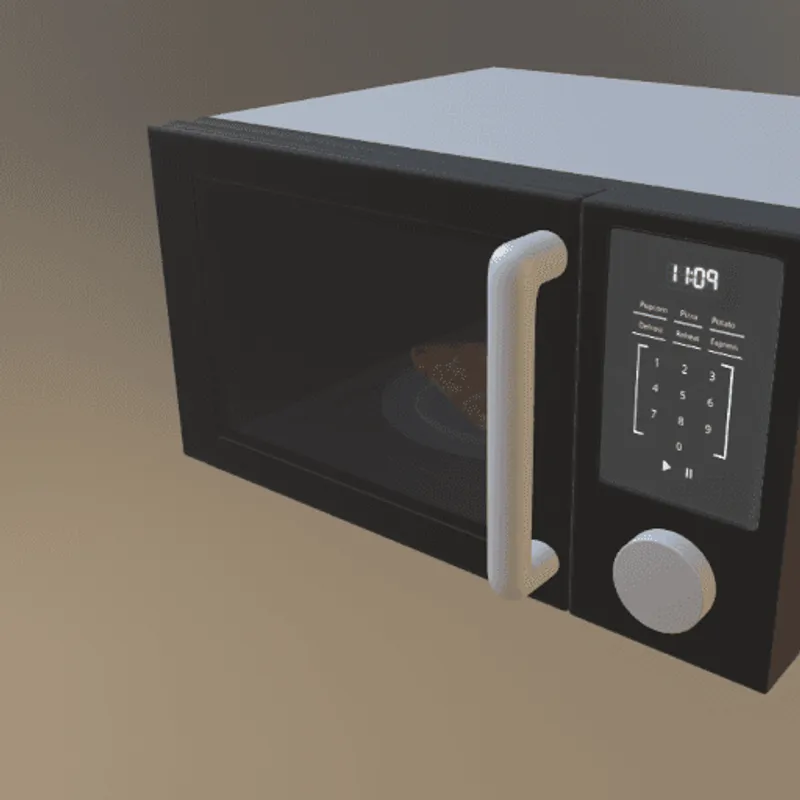 Impact: Rigid Animations are typically used to animate mechanical parts. In this example, the door of this 3D model of a microwave can be interactively opened or closed, using a rigid animation that gradually changes the 3D transformation of the door. Without support for this feature, in this example, the door will just stay in place and won't move. |
| Scene Nodes | Scene Nodes Support: VRML: Full support | STL: No support  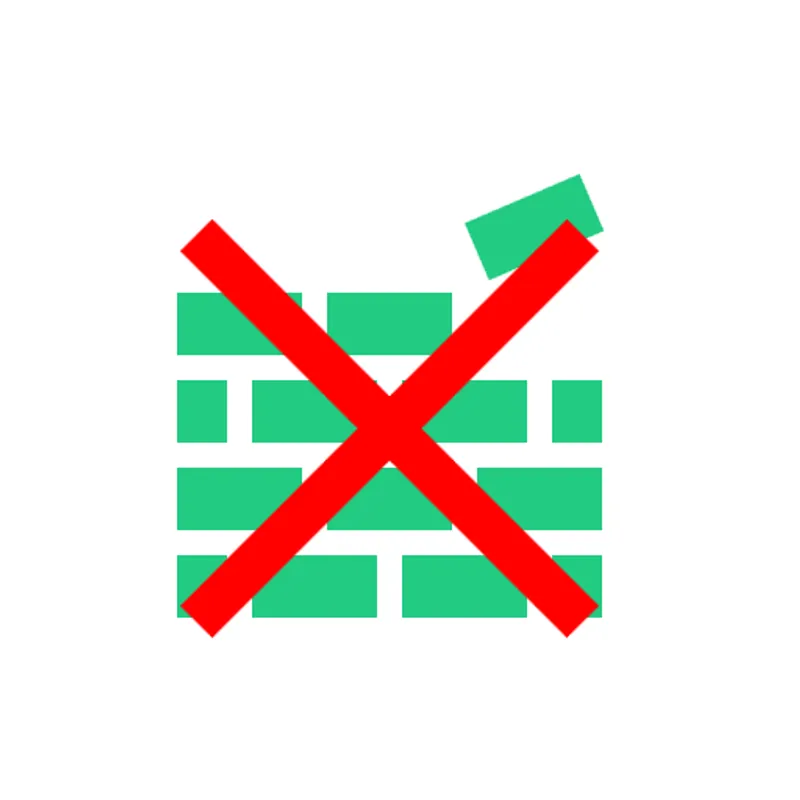 Impact: Scene nodes make it possible to address parts of a 3D model separately. For example, a part could be dynamically hidden or shown as part of a 3D configurator. Without support for this feature, a 3D scene will only consist of a flat model, without parts being individually configurable. |
| Hierarchical Scene Graph | Hierarchical Scene Graph Support: VRML: Full support | STL: No support   Impact: Scene graphs are one of the most common concepts in 3D computer graphics. By structuring the scene in a hierarchical way, logical parts of it can be easily addressed and transformed. This is useful in many applications, like games or 3D configurators. Without support for this feature, a 3D scene cannot be structured hierarchically, for example objects cannot be logically composed of smaller objects. |
| Scene Composition | Scene Composition Support: VRML: Full support | STL: No support   Impact: Scene Composition describes the process of composing a scene through links from a main scene that pull in various other scenes/3D models. This can also happen in a nested fashion (through multiple levels of linkage). With a target format not supporting this feature, references to external models must be resolved and the content be baked into one 3D model, which is then saved in that target format. |
What's the best way to get VRML files into my 3D applications, and are there alternatives to using STL?
Doing 3D conversion right, especially at scale, can be tricky, as 3D data is in general a rather complex (yet very powerful!) medium. This also applies to VRML and STL files - the conversion guide above provides a rough first idea about that. Once you know what you would like to do, tools like RapidPipeline can help you perform the necessary steps, and to even automate the process for thousands or even millions of files.
Especially when introducing pipelines and workflows at scale in an enterprise context, it is usually good to rely on dedicated tools and expertise, making sure you do not introduce any steps into your 3D workflow that are detrimental to the final output's quality, or that take your team too much time (and money).
If you're interested to hire dedicated expertise from the best in the field to help your company reach your goals fast and reliably, please do not hestitate to contact DGG. Being the creators of RapidPipeline, and ambassadors for open 3D standards for more than a decade, we have been building some of the world's most advanced 3D pipelines, having processed many millions of 3D assets.
Therefore, our expertise will help you to reach your goals faster, at scale, and with the least possible friction, since we are focused on maximum interoperability.
To get started with 3D data conversion and optimization today, sign up for a free account!
If you have any questions, feel free to chat with our human team.
Create 3D digital twins for CGI & XR, faster than ever.
Turn your raw 3D or CAD into realistic digital twins.
Meet the Author

3D Knowledge Team
3D Technical Artists
RapidPipeline lets you convert, optimize and prepare your 3D models, easily. Try it today, or meet our human 3D experts. The Best-in-Class Tools for Your 3D Processing Jobs